HORTON HEIRLOOM RYE
From 10 seeds to 250 acres
A New York comeback for the ages.
The story of a lost and forgotten rye grain, brought back to New York farms and into every bottle of Jaywalk.
A GRAIN WORTH WAITING FOR.
The search led New York Distilling Company to Horton Rye, an heirloom variety once grown in New York that had not been cultivated commercially for more than a century.
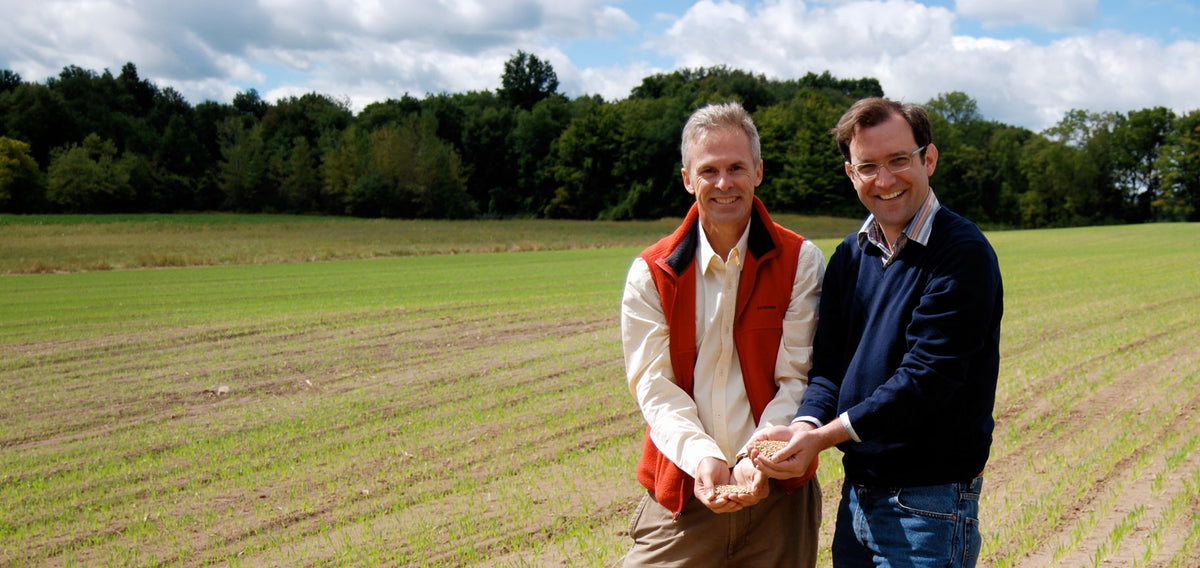
The project began with just ten seeds and one audacious question: could Horton be brought back at a meaningful scale?
10
SEEDS
The modest starting point in 2010.
13+ YEARS
OF PATIENCE
Testing, planting and replanting to grow enough rye to distill and age.
250 ACRES
IN THE FINGER LAKES
The annual New York harvest of Horton rye.
RAISED IN NEW YORK
From ten seeds to commercial viability.
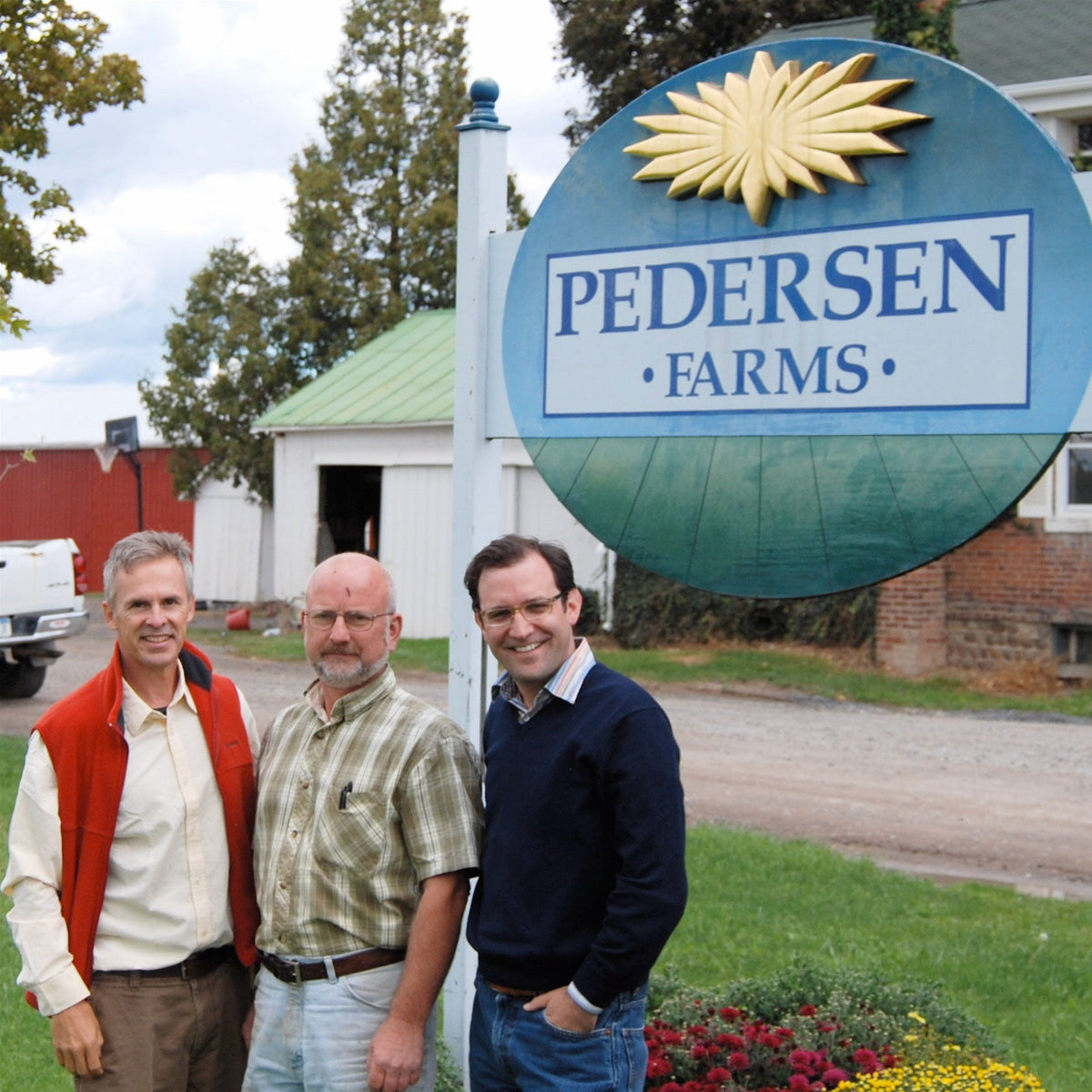
Working with New York farmer Rick Pedersen and agricultural researchers, the team patiently multiplied those first seeds.
It took years of planting, selection and propagation before there was enough grain to distill. What began as an experiment eventually became a working crop grown in New York’s Finger Lakes region.
A DISTINCTIVE GRAIN
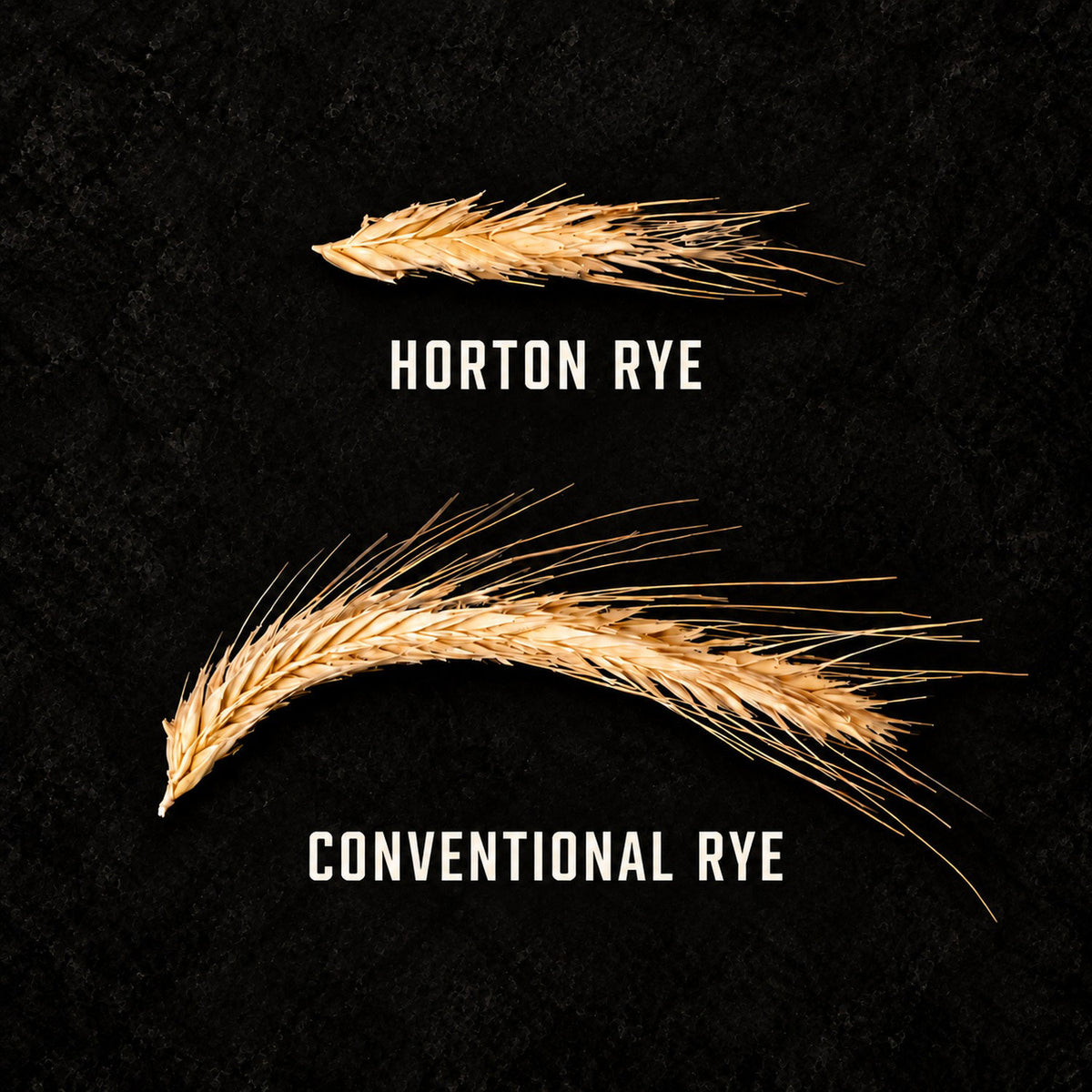
NOT ALL RYE LOOKS THE SAME.
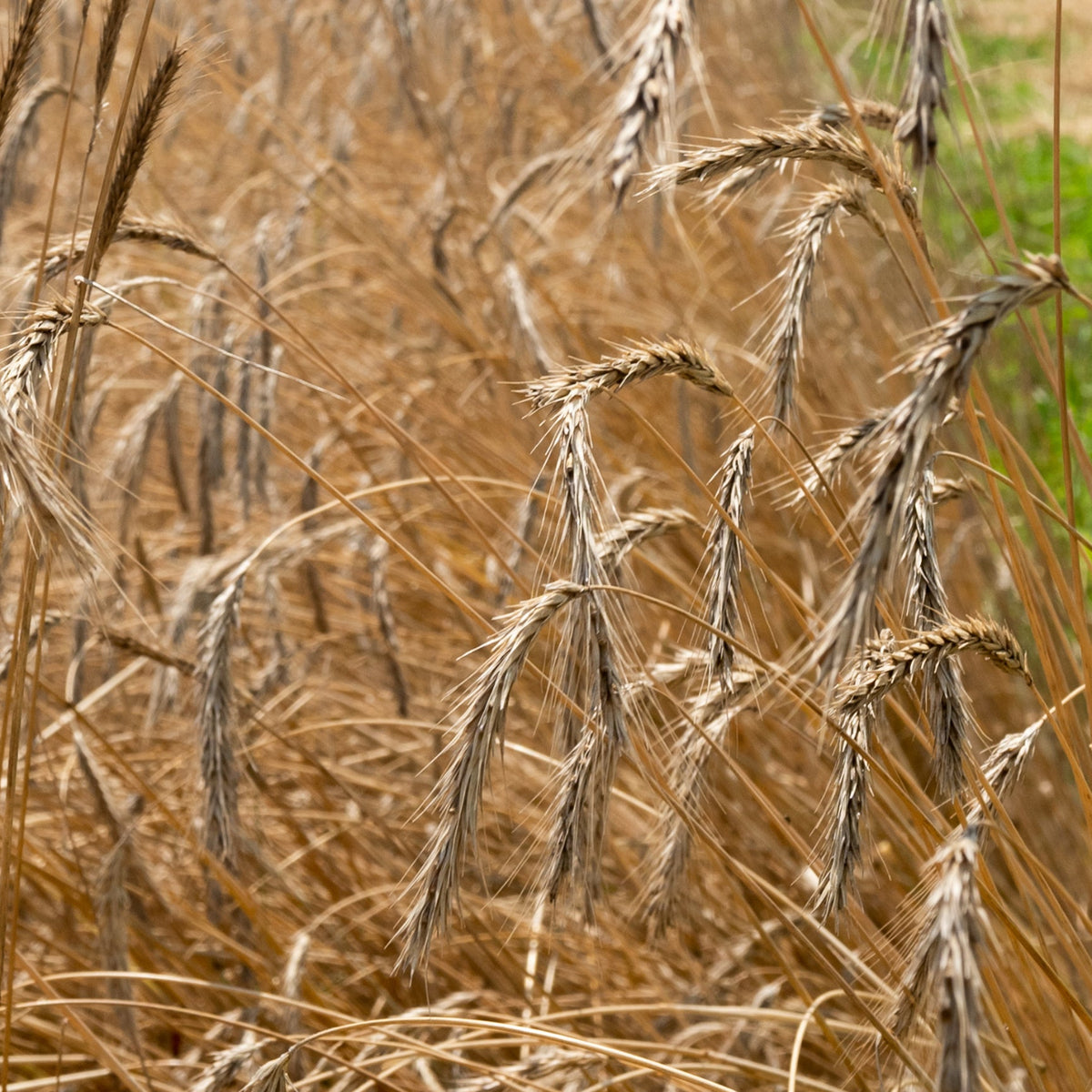
Horton is visibly different from conventional rye, with a distinctive grain head that reflects its unusual heritage.
Its appearance is only part of the story. The reason for reviving Horton was the possibility of character that could travel from the New York field into the finished whiskey.
WHY HORTON?
FLAVOR OVER CONVENIENCE.
Horton was never the easy route. It was pursued for the possibility of character beyond the familiar generic spice of rye and because bringing a New York grain back to New York whiskey was worth the effort.
The harvest is only the beginning. Distilling, maturation and blending reveal what this remarkable grain can become in the glass.
THE JAYWALK RANGE
IF THERE IS JAYWALK ON THE LABEL, THERE IS HEIRLOOM IN THE BOTTLE.
Every Jaywalk expression contains Horton heirloom rye.
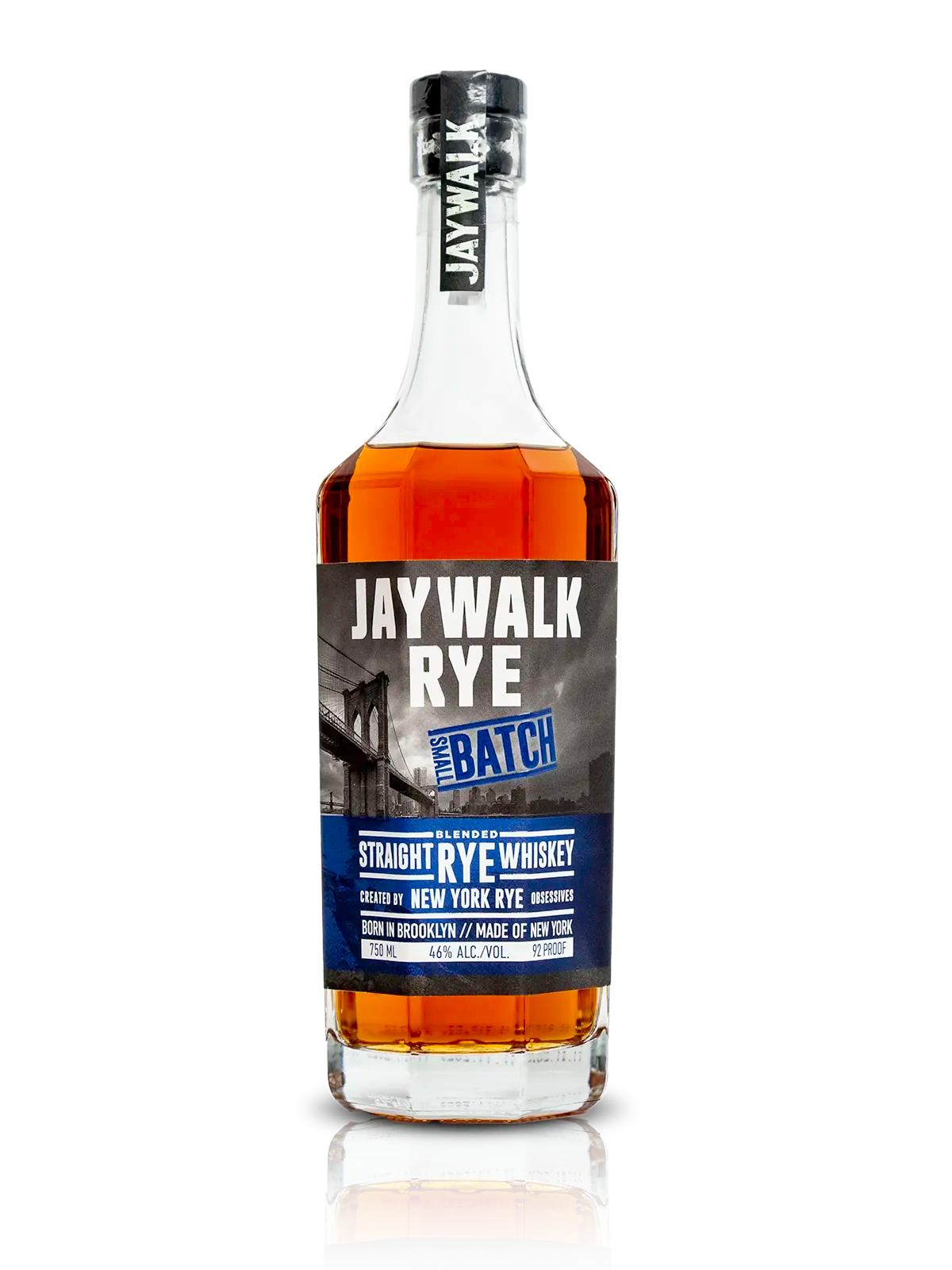
JAYWALK STRAIGHT RYE
The foundation is a blend of six-, seven- and eight-year-old Horton heirloom rye.
At 92 proof, it is perfect for cocktails.
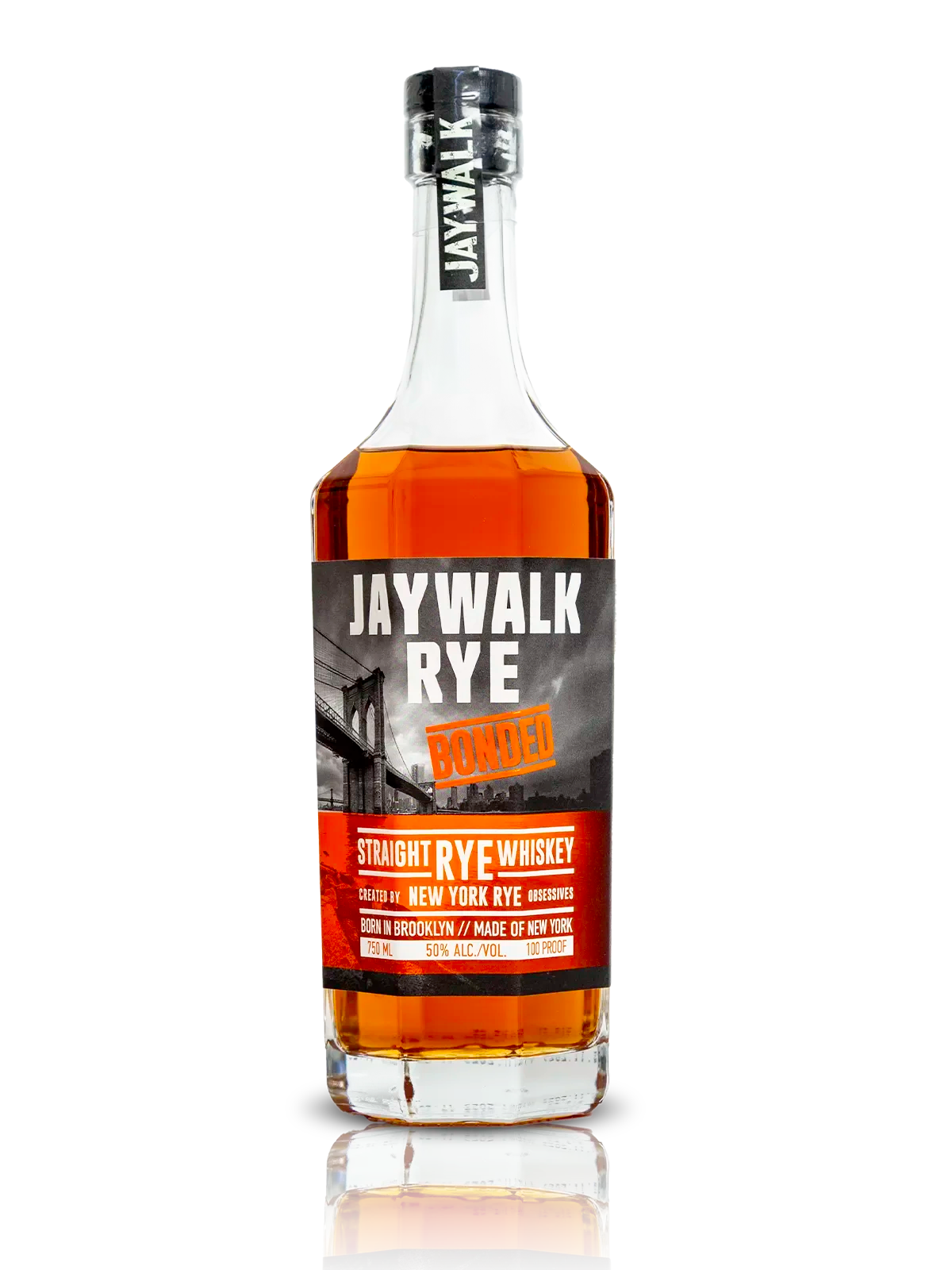
JAYWALK BONDED RYE
A blend of nine-year-old Horton heirloom rye, bottled in bond at 100 proof.
Ideal for sipping and rich, stirred cocktails.
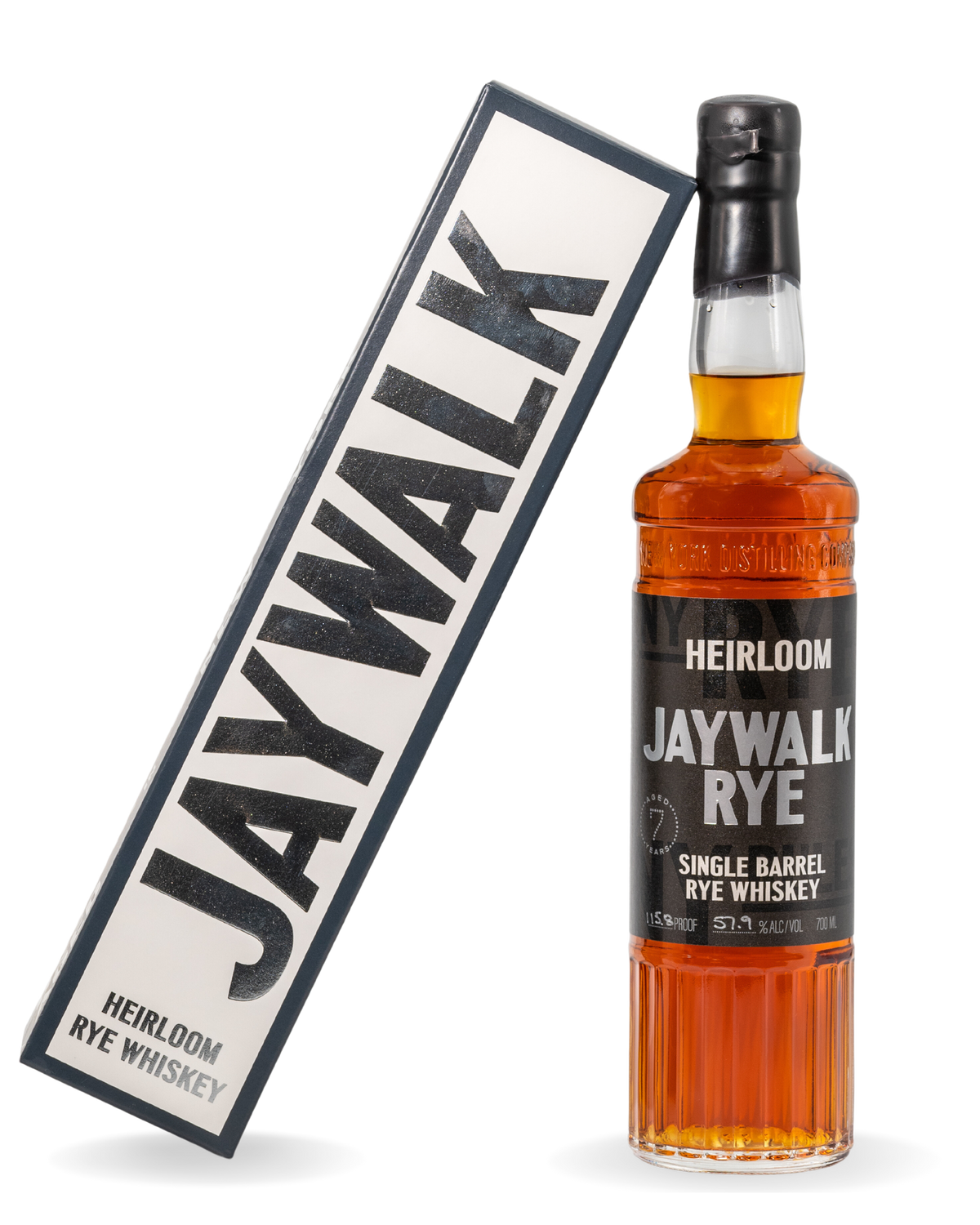
JAYWALK HEIRLOOM RYE
A single-barrel, cask-strength showcase built around our classic mash bill of 75% Horton rye.